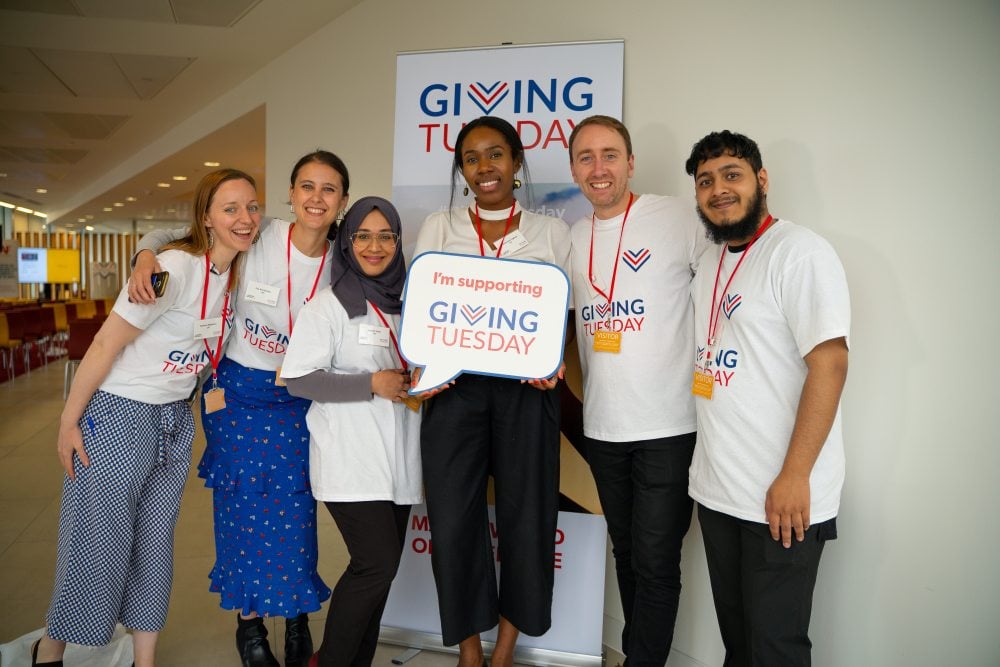
Success on Giving Tuesday depends on strategic planning, not last-minute preparations. This global generosity movement started as a simple initiative to encourage good deeds in 2012. The movement has grown into a fundraising phenomenon that generated record-breaking U.S. donations of $3.6 billion during 2024 alone.The movement's impact has grown significantly over the last several years. What began as a single day of giving has become a year-round global initiative that inspires hundreds of millions of people to work together and celebrate generosity. Many nonprofits find it challenging to stand out among the growing number of Giving Tuesday campaigns. The most successful organizations start their preparations weeks before the actual day.
Your organization's Giving Tuesday 2025 strategy needs more than generic approaches. This piece presents six proven fundraising ideas that deliver consistent results. These unique concepts range from engaging fundraising challenges to powerful storytelling video series that help organizations optimize their donation potential. People give money to create meaningful change, especially when they see direct impact on lives, rather than just statistics.

Image Source: WP Charitable
Fundraising challenges turn donors into active participants by making giving an exciting activity everyone wants to join. These interactive campaigns create more buzz than standard donation appeals and drive better results for your Giving Tuesday 2025 efforts.
Fundraising challenges turn passive donors into active participants who complete specific activities while raising money for your cause. The challenges mix fun with purpose, which makes giving more memorable and shareable. Your campaign can stand out from others on Giving Tuesday, December 2, 2025, through these fundraising challenges.
A soaring win needs three key elements: an activity people love, a clear link to your mission, and simple ways to share experiences. These challenges work best especially when you have GivingTuesday's mission to support communities through gifts of time, talent, voice, or money.
Past fundraising challenges show amazing results. The ice bucket challenge that went viral in 2014 raised an incredible $100 million in just 30 days. These numbers show what happens when you design a challenge that grabs public attention.
Fundraising challenges succeed because they:
Generate natural publicity when participants share on social media
Feed people's competitive nature
Let people help in many ways beyond donations
Make giving enjoyable rather than just transactional
Help your network grow as participants tell friends about your cause
GivingTuesday Data Commons research shows people want to help multiple causes, especially when they can do more than just give money.
Your Giving Tuesday fundraising challenge needs these key steps:
Start with a challenge that matches your organization's mission and remains available to most people. Build a dedicated fundraising page that shows clear steps and eye-catching visuals about your challenge.
Add competitive elements through team fundraising where groups try to raise the most money. Weekly mini-challenges, leaderboards, milestone badges, and social media rewards keep everyone excited throughout the campaign.
Your technical setup must include online signup, individual-specific fundraising pages, and automatic messages that keep participants active. Social sharing tools help spread the word about participation quickly.
The best fundraising challenges look great, feel fun, and welcome everyone. Here are some proven ideas:
Sports events like cycling, running, or sledding where donors pledge based on distance or time. Polar plunges make unforgettable moments as brave participants jump into winter waters.
Scavenger hunts bring whole communities together. Daily step challenges track group progress. Gratitude challenges ask people to share daily photos of things they value.
The right tools make your challenge run smoothly. Look for peer-to-peer fundraising platforms with these features:
Strong signup systems let supporters join from anywhere. Custom fundraising pages tell personal stories. Game elements like fundraising thermometers and leaderboards show progress.
Top platforms send automatic updates to keep participants motivated and connect directly to Facebook, Instagram, and LinkedIn.
Your challenge results grow when participants film themselves in action while explaining their cause. This creates content that people want to watch and share.
Team competitions with weekly mini-challenges and public leaderboards add excitement. Ambassador fundraising lets top supporters lead teams and spread your message wider while growing your reach.
The best challenges create meaningful experiences. GivingTuesday research reveals donor fatigue comes from poor engagement, not too many asks. Build challenges that let participants drive positive change through their actions.

Image Source: Fundly's Blog
T-shirt fundraisers turn supporters into walking billboards for your cause. They create a real connection that goes far beyond Giving Tuesday. This budget-friendly strategy brings together merchandise, awareness, and community participation in one campaign.
A T-shirt fundraiser lets you create and sell custom apparel to raise money. You can spread the word about your cause at the same time. Giving Tuesday 2025 gives you a great chance to get supporters excited about something they can wear and share. The idea is simple: design great shirts that show your mission, set up a way to sell them, and tell everyone who might want to support your work.
T-shirt fundraisers give supporters something back—a quality garment they'll wear with pride. Your campaign's message keeps spreading long after December 2, 2025. These campaigns work great on their own or as part of your bigger Giving Tuesday plans.
T-shirt fundraisers succeed because they mix practicality with emotional connection. People love a comfortable shirt, especially one that shows support for a cause they believe in. These wearable items bring several benefits:
They turn passive donors into active supporters who spread your message just by wearing your shirt
They give a real "thank you" gift for donations, which makes giving feel more natural
They help smaller donors who find buying a $20 shirt easier than making a big direct donation
They keep your campaign visible as shirts become moving ads for your mission
They build community when supporters share a visual identity
Custom T-shirts help you connect with supporters and keep them excited about your cause. When donors wear your shirts in public, thousands of people see them, which starts natural conversations about your organization's work.
Your T-shirt fundraiser needs good planning to succeed on Giving Tuesday:
Start by setting clear fundraising goals that line up with the December 2 date. Create a unique design that appeals to your supporters and matches your brand. You might want to make several matching designs that attract different groups while keeping your brand consistent.
Pick high-quality, comfortable shirts people will want to wear often. You can sell them two ways: through online platforms that handle making and shipping shirts to buyers, or by ordering a batch to sell at events.
Online platforms work best for most organizations. They remove the risk of holding inventory and paying upfront costs. You'll need an online store that can ship directly. This lets supporters order easily and get their shirts quickly without much work from your team.
The best T-shirt fundraisers tell compelling stories and build meaningful partnerships:
Race for the Cure uses pink T-shirts that everyone recognizes to bring participants together and spread awareness about breast cancer research. People wear these iconic shirts during events and beyond, which helps drive both participation and donations.
Amnesty International's "Rebellion" campaign featured nine designs by women and non-binary artists. This created a powerful message of support for women activists worldwide. The campaign lined up perfectly with their yearly Write for Rights effort, showing how merchandise can highlight specific parts of an organization's mission.
Nonprofits have found success on Giving Tuesday by creating special branded shirts. These turn supporters into "walking billboards" and give them something exciting to share on social media.
Several platforms focus on T-shirt fundraising, with different features to match what your organization needs:
Bonfire offers a risk-free way to fundraise without upfront costs or inventory. The platform costs nothing to use, handles production and shipping, and lets nonprofits keep all profits. They also charge lower processing fees for registered 501(c)(3) organizations (3.5% instead of 8%).
Fundly combines T-shirt sales with crowdfunding campaigns. You can offer shirts as rewards for different giving levels. This approach gets people to give more while still welcoming smaller donations.
Cloztalk, Teespring, Printful, and Fund the Nations work well too. They handle production, shipping, and customer service so you can focus on promotion.
These proven strategies will help your T-shirt fundraiser succeed:
Tell your story in a clear, emotional way—people buy shirts when they believe in your cause. Use social media wisely by sharing content that shows off your designs. Ask supporters to post photos wearing their shirts with your campaign hashtags.
Create urgency by setting fundraising goals with deadlines and sharing regular updates. Think about offering deals like discounts on multiple shirts or special gifts for top supporters.
Your T-shirt design makes or breaks your campaign. Take time to create designs that click with your community. You might want to get supporters involved through design feedback or contests.
Thank everyone who buys your shirts and show them how their support helps your mission. This keeps people connected to your organization all year long.

Image Source: Qgiv.com
Text messaging puts your Giving Tuesday campaign directly into donors' pockets and enables instant contributions with minimal effort. Americans who own a cell phone make up 97% of the population. This makes text-to-give campaigns a great way to boost your 2025 Giving Tuesday donations through quick, available giving options.
Text-to-give fundraising lets supporters donate to your organization via text message. The process works in two ways: donors text a keyword to your designated number and receive a link to complete their donation online, or they text a specific amount that gets charged directly to their phone bill. This mobile giving method removes barriers to donation by utilizing technology most people already use daily.
The difference between text-to-give and text-to-donate deserves attention. Text-to-give charges donations directly to the donor's phone bill, while text-to-donate sends donors a link to your mobile donation form to complete their contribution. Most organizations choose text-to-donate because it provides immediate access to funds and captures donor information automatically.
Mobile giving stands out as a Giving Tuesday strategy because of its high engagement rates. These statistics tell the story:
98% of text messages are opened, compared to much lower rates for email
90% of text messages are read within just 3 minutes of receipt
People respond to text messages in about 90 seconds
Mobile messages achieved 84% higher conversion rates than emails on Giving Tuesday
Mobile devices generated 52% of nonprofit website traffic in 2023, suggesting donors prefer mobile interactions. The average text donation size reaches $107, showing that mobile giving attracts substantial contributions.
A successful text-to-give campaign for Giving Tuesday 2025 needs several key steps. You should select a text-to-give provider that matches your organization's needs and budget. Choose a simple, memorable keyword that donors will text to your designated number. Short and relevant keywords minimize typing errors—an animal rescue might use "SAVE" or "RESCUE".
After completing technical setup, create a mobile-optimized donation form that loads quickly and remains easy to direct. Good forms collect essential information: donation amount, name, contact details, and payment information.
Your text-to-give campaign needs promotion through multiple channels including email, social media, your website, and in-person events. Clear instructions help donors understand how to give via text.
The Red Cross Haiti earthquake relief effort in 2010 stands as one of the most successful text-to-give campaigns ever. Their simple "Text HAITI to 90999" campaign appeared across broadcast, print, and online media, raising $32 million through mobile donations. This groundbreaking initiative showed the huge potential of text-to-give fundraising.
Organizations find success with time-sensitive messaging that creates urgency during Giving Tuesday. Messages like "⏰ Only 3 hours left to give on Giving Tuesday! Help us reach our $20,000 goal—give here before midnight!" drive last-minute donations effectively.
Several reliable platforms offer text-to-give functionality with different features:
WildApricot provides customizable messaging, scheduled texts, and detailed campaign tracking all within one database. Snowball offers text-to-give capabilities without donation amount caps, allowing unlimited keywords and instant setup. OneCause creates individual-specific call-to-action keywords and generates automated receipts and donor information reports. Qgiv enables both immediate donations and pledge options with automated reminders.
Your text-to-give results improve when you follow these proven strategies. Create a multichannel promotion plan that includes social media posts, email newsletters, website banners, and in-person announcements. Message timing throughout Giving Tuesday matters - send morning reminders, midday updates, afternoon progress reports, and evening final appeals.
Stories in your messages create emotional connections. Messages like "Meet Maria. Last year, she found safe housing through your support. This Giving Tuesday, help another family find the life-changing security that Maria has" make personal impact even in brief formats.
Thank donors immediately and explain their contribution's impact. This simple step builds relationships that extend beyond Giving Tuesday and sets the foundation for year-round support.
Videos fascinate audiences by bringing your mission to life, making them a great way to get attention on Giving Tuesday 2025. Research shows that 57% of people who watch nonprofit videos make a donation. This presents a fantastic chance to turn viewers into contributors.
A storytelling video series shows your organization's effect through compelling visual narratives during your Giving Tuesday campaign. These videos build emotional connections by showing real people your work helps, which works better than simple donation requests. The most effective series usually have 2-3 short videos (under 3 minutes each). You can share these across email, social media, and your website before and during December 2, 2025.
The main idea is to create stories across different platforms that show beneficiaries, volunteers, or donors. This helps people see how donations change communities. Each video needs a clear call-to-action that sends viewers to your donation page.
Storytelling videos get amazing results in Giving Tuesday campaigns:
People remember 95% of what they watch in videos, but only 10% of what they read
Videos get shared 1200% more than text and images combined
Videos stand out better than other content in the digital world
Numbers aside, videos are great at stirring emotions—which drive charitable giving. Natalie Stamer from Streetlight Digital puts it well: "Videos cut through all the noise in the digital world and really connect with people".
Start by setting clear goals for your video series—whether you want to raise awareness, get more donations, or find volunteers. Then pick 2-3 key messages about your organization. Talk about your "why" more than your "what".
Choose compelling stories from real people your work has helped. Studies show that people connect better with individual stories than big social issues. Your script should follow three acts: show the problem and the people it affects, explain how your nonprofit helps, and reveal the positive changes from your work.
The production should look professional but genuine. Today's smartphones can capture great video if you use tripods and proper lighting. Set your recording to the highest quality—ideally 4K at 24fps. Audio quality needs constant monitoring.
The Village Enterprise film shows great storytelling by following one person's trip out of poverty. They use personal stories to show how their economic relief work helps. Children's Healthcare of Atlanta makes powerful videos with patient interviews, family stories, and medical staff insights to show their life-saving work from different points of view.
Save the Children created a powerful Giving Tuesday video that shows how conflict changes children's lives, which moves viewers to act right away. charity: water's "I Am Water" video gives water a personality to show why their mission matters.
Many user-friendly tools help nonprofits of all sizes make videos. Splice lets you mix videos and photos from your phone with smooth transitions and consistent audio. Good movie-making apps should let you add captions (since 85% of Facebook videos play silently), edit frame by frame, and be easy to use.
YouTube for Nonprofits gives you great features like donation cards in videos, clickable calls-to-action to your site, and production resources. TikTok is also worth trying for shorter videos, as more nonprofits are using it successfully.
Each video should tell one story with one clear call-to-action. This keeps your message strong. Social media videos should stay under two minutes for best results, though website videos can run longer.
Tell your stories with a positive angle, even for tough topics. Research shows that negative messages don't help get donations. Show how you're making things better in difficult situations.
Make sure videos work well on phones since over half of nonprofit website visits come from mobile devices. Always end with a clear, strong call-to-action like "Donate," "Share," or "Join" and use trackable links to measure success.
A high-energy giving blitz that lasts just 24 hours can help you break donation records and create real urgency. Your 2025 Giving Tuesday campaign will become an unforgettable event that gets supporters excited and ready to give.
A 24-hour giving blitz packs your fundraising into one action-packed day that builds excitement for your cause. This time-limited approach creates urgency and gets people to act fast while boosting awareness. You can run your blitz on Giving Tuesday or pick a meaningful date that connects with your mission. This helps you stand out in the busy Giving Tuesday season.
Time-limited offers have a strong psychological pull that makes 24-hour campaigns work well. Americans gave a record $592.50 billion to charities in 2024. These focused campaigns tap into donors' fear of missing out (FOMO), which drives quick action. The short timeframe helps donors decide faster and often leads them to give more.
Your planning should start two months before the big day. Set clear fundraising goals and build a matching donation pool from your loyal supporters. Create an hour-by-hour plan for all communications on blitz day. Your team needs specific roles - donor support, nonprofit support, communications, and tech help - working in shifts through the 24 hours.
Wake Forest University's first #Wake500 blitz was a huge success. They raised over $500,000 from more than 1,800 donors - setting a new single-day record. Sister District DC/VA/MD and Sister District MA-RI teams worked together on their blitz and raised over $11,500 in just 72 hours.
Pick fundraising software that handles donor information, processes donations quickly, sends automatic messages, and shows live results. DonorPerfect's Custom Report Builder lets you see hourly giving trends, track new donor numbers, and measure average donations throughout your campaign.
Matching gifts build momentum fast. Wake Forest used a $100,000 matching donation and added challenge gifts that unlocked at specific participation levels. Keep your content fresh with hourly updates across all platforms. Have backup plans ready for technical problems and keep platform support on standby. Thank everyone right after the blitz and share what you achieved together.
Business partnerships can magnify your Giving Tuesday results and grow your donor base. This creates a win-win situation that benefits both organizations. Your nonprofit can reach new audiences by teaming up with local businesses through genuine collaboration.
Co-branded campaigns bring nonprofits and businesses together in strategic collaborations. They find ways to help each other meet their goals. These collaborations for Giving Tuesday 2025 can take many forms. You might host charity dinners at local restaurants or create special edition branded products that support your cause. The main idea is to tap into your business partner's existing audience while giving them positive exposure in the community.
Modern consumers want more from businesses than just products or services. These partnerships deliver amazing results because of this shift in expectations. Research shows 78% of Americans believe companies should do more than just make money - they need to help society too. About 64% of consumers make brand choices based on how companies handle social issues. Matching gift programs create urgency and motivate donors to help reach the full match amount.
Look for businesses that share your values and mission first. Find organizations whose audiences, values, and goals line up with yours. Create a clear business case that shows how both parties will benefit from the partnership. Put everything in writing through formal agreements that spell out what each organization will contribute, what they expect, and how success will be measured.
Maine Coast Heritage Trust worked with Sea Bags (makers of tote bags from recycled sails) and artist Eric Hopkins to create a limited-edition collection. This team effort produced great content, celebration events, major media coverage, and strong sales. 20% of proceeds went to support the conservation nonprofit.
Partnership management software helps track key metrics like brand awareness growth, lead generation, web performance, and partnership ROI. These platforms keep communication flowing - a must-have for any strong partnership.
Set up clear communication channels early. Define how often you'll check in, share updates, and make decisions. Start with small projects to learn each other's work styles. Remember to thank your business partners publicly across all channels. This shows you value their support.
|
Fundraising Idea |
Overview |
Key Benefits |
Implementation Requirements |
Tools/Platforms |
Notable Examples/Success Metrics |
|
Host a Fundraising Challenge |
Interactive campaigns where people complete specific activities while raising money |
- Gets more and thus encourages more publicity |
- Design mission-focused challenge |
- Peer-to-peer fundraising platforms |
|
|
Launch a T-Shirt Fundraiser |
Creating and selling custom apparel to raise funds while building awareness |
- Turns donors into promoters |
- Create designs |
- Bonfire |
Race for the Cure pink shirts campaign |
|
Use Text-to-Give Campaigns |
Supporters can donate through text messages |
- 98% open rate |
- Pick text-to-give provider |
- WildApricot |
|
|
Create a Storytelling Video Series |
Short videos showing your organization's effect through stories |
- 95% message retention rate |
- Set clear goals |
- Splice |
Village Enterprise poverty relief campaign |
|
Organize a 24-Hour Giving Blitz |
One-day fundraising sprint that creates urgency |
- Sparks FOMO |
- Plan 2 months ahead |
- DonorPerfect |
Wake Forest #Wake500: Over $500,000 in 24 hours |
|
Partner with Local Businesses |
Strategic collaborations between nonprofits and businesses for shared success |
- Reaches new audiences |
- Find aligned businesses |
- Partnership management software |
Maine Coast Heritage Trust & Sea Bags: 20% proceeds partnership |
Giving Tuesday is a chance to boost your nonprofit's reach and grow your donor base through smart fundraising. This global movement now generates billions in annual donations and has grown way beyond the reach and influence of a single giving day. Your organization can benefit substantially by putting these proven strategies in place well before December 2, 2025.
Different approaches work best depending on your goals. Fundraising challenges turn passive supporters into active participants through fun activities. T-shirt fundraisers create walking billboards that spread your message long after Giving Tuesday ends. Text-to-give campaigns employ mobile technology to enable almost instant donations with impressive 98% open rates. Video storytelling brings your mission to life and shows donors exactly how their contributions make a difference.
The 24-hour giving blitzes create a sense of urgency that sparks quick action. Donors often give more generously due to limited-time psychology. Mutually beneficial alliances with local businesses help reach new audiences through shared campaigns that benefit everyone involved.
You don't need to try everything at once. Starting with one or two well-planned approaches works better than spreading yourself too thin. Note that donors give from the heart rather than logic - they want to make real change when they see their help making a direct difference.
Your Giving Tuesday 2025 campaign planning should start now instead of waiting until November. Early prep helps build momentum and lets you create materials that showcase your real impact. These proven approaches will help your organization shine during this vital giving season, whether you choose challenges, videos, or business partnerships. This focused effort will drive the donations needed to achieve your mission.
These six proven strategies will help your nonprofit maximize donations and stand out during the increasingly competitive Giving Tuesday landscape in 2025.
• Start planning early, not last-minute - The most successful Giving Tuesday campaigns begin weeks in advance with strategic preparation, not on December 2nd itself.
• Create interactive experiences over passive asks - Fundraising challenges and 24-hour giving blitzes generate higher engagement by making donors active participants rather than passive recipients.
• Leverage mobile-first strategies for maximum reach - Text-to-give campaigns achieve 98% open rates and $107 average donations, while video content retains 95% of messaging compared to just 10% for text.
• Build authentic partnerships to expand your audience - Co-branded campaigns with local businesses access new donor segments while providing mutual community visibility and credibility.
• Focus on emotional storytelling over statistics - Donors give to make meaningful change when they see direct human impact, not abstract numbers or organizational achievements.
The key to Giving Tuesday success lies in choosing one or two strategies that align with your mission and executing them exceptionally well, rather than attempting multiple approaches simultaneously. Remember, people don't give to statistics—they give when they can clearly see how their contributions help real people in meaningful ways.
To maximize Giving Tuesday donations, focus on storytelling, set clear goals, leverage social proof, engage your board and volunteers, encourage matching gifts, use compelling visuals, go live on social media, and engage donors before the day itself. Implementing a few of these strategies well is more effective than trying to do everything at once.
Nonprofits can stand out by creating interactive experiences like fundraising challenges or 24-hour giving blitzes, leveraging mobile-first strategies such as text-to-give campaigns, building authentic partnerships with local businesses, and focusing on emotional storytelling through video content that showcases real impact.
Early planning is crucial because the most successful Giving Tuesday campaigns begin weeks in advance with strategic preparation. This allows organizations to build excitement, engage supporters throughout the process, and develop impactful materials that showcase their mission effectively.
While profitability can vary based on the organization and its audience, interactive events like fundraising challenges, 24-hour giving blitzes, and co-branded campaigns with local businesses often yield strong results. These approaches create engagement, urgency, and expand reach to new donor segments.
Nonprofits should focus on emotional storytelling over statistics by highlighting real people impacted by their work. Creating a storytelling video series or featuring beneficiary stories in campaign materials helps donors see the direct human impact of their contributions, which is more compelling than abstract numbers or organizational achievements.


Mo-Fri 9 am to 5 pm Eastern Time
24/7 critical emergency support
All currencies supported