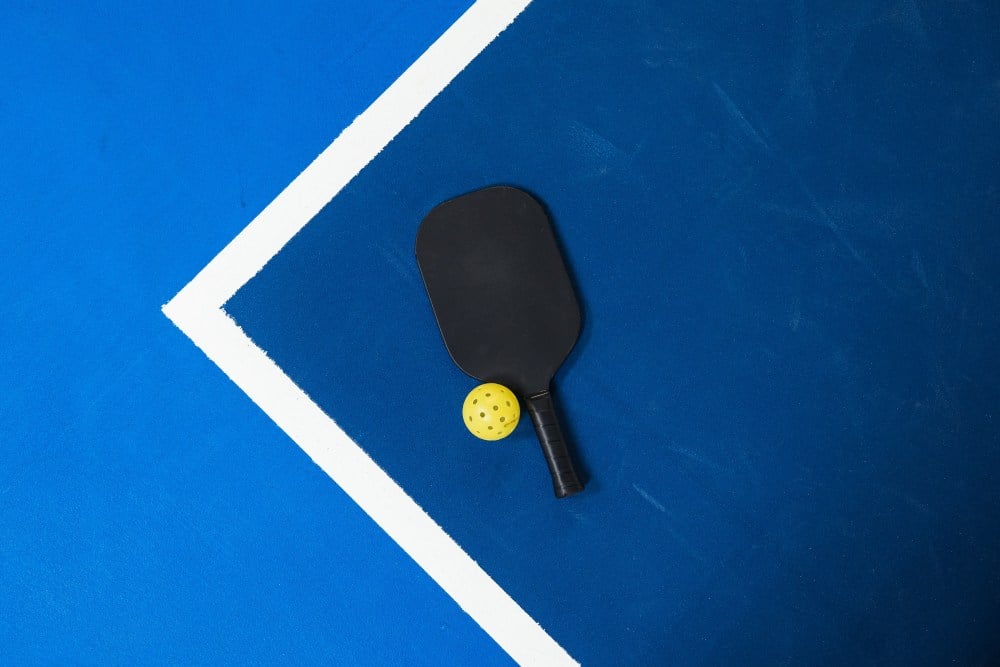
Pickleball is an extremely popular charity fundraising method that works! Across the U.S., various nonprofits, charity organizations, and pickleball groups have used the game to raise funds for social causes. These include large and renowned organizations like the Make-A-Wish Foundation, which hosts an annual Pickleball for Wishes Tournament.
But why is it so popular for charity fundraisers? Well, a pickleball fundraiser is a fun, exhilarating sports day on a budget. You just need a ball, paddle, and pickleball court (many of which are free for public use), and anyone can play. It is an inclusive sport that can rally your community together and foster fun competition and giving.
Sounds like something you’d like to try for your fundraising efforts? Here are eight tips to help you make it a resounding success!
Pickleball has quickly become one of the most popular ways to bring people together for a great cause. And for good reason. A pickleball fundraiser combines fun, community, and friendly competition, making it easier to attract participants, spectators, and sponsors alike.
Because the sport is easy to learn and accessible across different skill levels and age groups, it’s ideal for nonprofit events. Whether you’re organizing a charity pickleball tournament at an indoor venue or a local park, you can create an inclusive event that encourages participation from families, friends, and local organizations.
We’ve seen how a well-planned pickleball tournament fundraiser can help nonprofits raise funds, build stronger community ties, and create memorable experiences that keep supporters coming back year after year.
Plus, with relatively low equipment and court costs, it’s a cost-effective way to raise money without stretching your budget.
Planning a pickleball fundraiser might seem straightforward, but creating a truly successful pickleball tournament takes more than just booking a court and inviting participants.
To help you stay organized and make the most of your efforts, we’ve put together 12 practical tips. These will guide you through every stage of your pickleball tournament fundraiser, so you can raise funds, engage your community, and create an event people will want to come back to year after year.
Before you start planning your pickleball tournament, define what success looks like for your event.
Are you aiming to raise a specific amount of money? Grow awareness for a good cause? Bring in new supporters or strengthen relationships with your existing community?
Setting clear goals will help guide every decision, from registration fees to sponsorship packages.
For example, if your primary focus is raising funds, you might prioritize revenue streams like donations, raffles, and tiered sponsorship packages. If your goal is community engagement, you may focus more on creating a fun, welcoming event with games, prizes, and activities for different levels and age groups, including kids.
It’s also helpful to think about participation targets. How many players, teams, or spectators do you want to attract? Understanding your numbers will help you plan court usage, match formats, and staffing needs more effectively.
Once your goals are set, it’s time to focus on the practical details that will shape your event.
Start with the basics:
You’ll also want to think about the overall experience. Simple additions like water stations, snacks, and shaded rest areas can make a big difference for players and spectators. Don’t forget essentials like registration tables, scorekeeping systems, and volunteers to help manage check-in and coordinate matches.
Using digital tools can make this much easier. From managing registration to tracking scores and sharing regular updates, having a centralized system helps you stay organized and keeps participants informed throughout the event.
The more detailed your planning at this stage, the smoother your pickleball tournament fundraiser will run on the day.
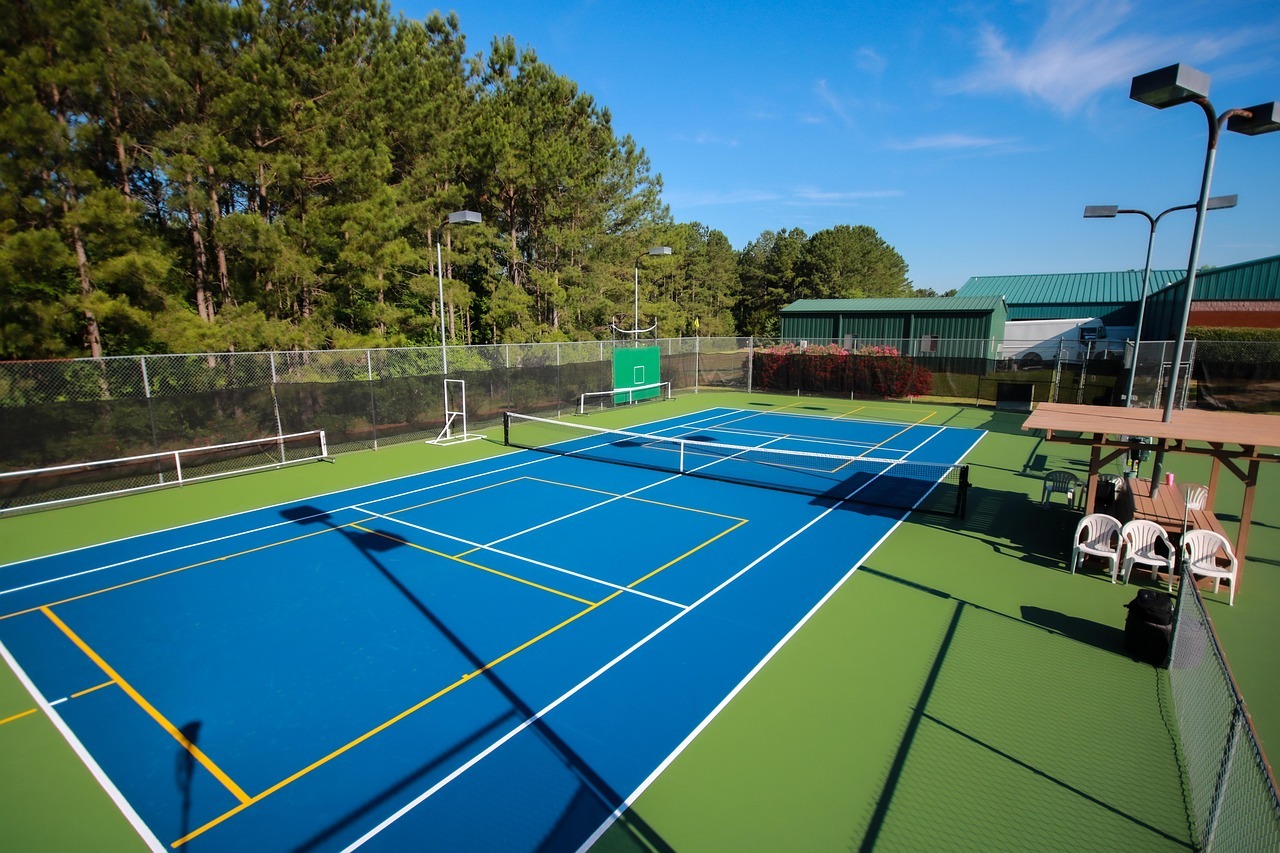
Choosing the right format can make or break the experience for your participants.
For many nonprofit events, a round robin format works well because it guarantees more playtime. Each team or player gets multiple matches, which keeps the event fun and engaging – especially for beginners or mixed-skill-level groups.
On the other hand, a single-elimination tournament creates a more competitive environment, where players are knocked out after a loss. This format can be exciting for more experienced participants but may not appeal to everyone.
If you want to balance fun and competition, consider combining formats. For example, you could start with round-robin pool play and move into elimination rounds for the top teams. This approach works well for a successful pickleball tournament because it keeps more people involved for longer while still building excitement toward the final matches.
When deciding, think about:
Ultimately, you want to create an event where everyone feels included, whether they’re playing for fun, prizes, or a great cause.
With your logistics mapped out, the next step is building a realistic budget for your pickleball fundraiser.
Start by listing all potential expenses, including your venue, equipment, staffing, snacks, t-shirts, prizes, and any permits you might need. If you’re using an indoor venue, be sure to factor in rental fees, while outdoor courts may require fewer upfront costs.
Once you have a clear picture of your expenses, you can start planning how you’ll raise money to cover them and generate additional funds for your cause.
Some common revenue streams include:
Setting the right registration fee is especially important. It should be affordable enough to attract most people while still contributing meaningfully to your fundraising goal.
A well-planned budget helps you stay in control of your spending and ensures your pickleball tournament fundraiser actually delivers the financial results you’re aiming for.
You don’t have to organize your pickleball fundraiser alone. Leaning on your community can make a huge difference.
Start by reaching out to local organizations, small businesses, and existing supporters. Many are happy to get involved, especially when it’s tied to a good cause and a community-focused event.
Local businesses can help in several ways:
When approaching potential sponsors, think about how you can provide value in return. Options like logo placement on event signage, t-shirts, or your event site can make your sponsorship packages more appealing and help with attracting sponsors.
You can also partner with local sponsors to create a more engaging experience. For example, a local café might host a snack station, or a fitness business could run a warm-up session before matches begin.
Don’t forget volunteers, too. Friends, family, and community members can help with everything from check-in and scorekeeping to managing courts and keeping the event running smoothly.
A successful pickleball tournament depends heavily on having the right people in place to keep things running smoothly.
Volunteers play a key role in everything from check-in and registration to managing courts and tracking points during matches. The more organized your team is, the better the overall experience will be for participants and spectators.
Start by assigning clear roles:
If your event includes players of different skill levels, having volunteers available to guide participants and explain rules can make the event feel more welcoming, especially for beginners.
Using digital tools for scorekeeping and scheduling can also save time and reduce confusion. Instead of relying on paper brackets, you can update match results in real time and provide regular updates to players and spectators.
To maximize how much you raise money from your pickleball fundraiser, you need to think beyond just registration fees.
Participant fees are a great starting point. But the most successful events combine multiple fundraising streams to increase total donations and overall impact.
Here are a few ways to boost your revenue:
You can also introduce creative options like “pay-to-play” bonus rounds, skill-based challenges, or prize-based competitions to keep participants engaged throughout the event.
The key is to make it easy and fun for people to contribute. The more opportunities you create for giving, the more funds you can raise for your charity.
A dedicated fundraiser page acts as your event hub. It should include key information like registration details, match formats, schedules, and ways to donate. This is also where participants can sign up, check important updates, and share the event with friends and family.
Using fundraising software makes this process much easier. You can manage registration, track donations, and provide regular updates all in one place. It also helps you keep everything transparent, which builds trust with your supporters.
Make sure your page is simple to navigate and clearly explains:
The easier it is for people to find details and take action, the more likely they are to get involved and support your cause.
If you want to raise funds effectively, you need to remove as many barriers to giving as possible.
People are far more likely to donate when the process is quick and convenient. That means offering multiple payment options, such as card payments, online platforms, and even cash collection at the event.
You can also encourage more donations by:
Regular updates can create a sense of momentum and encourage more people to contribute. When supporters see progress toward a goal, they’re often more motivated to donate and be part of the impact.
A great pickleball fundraiser doesn’t stop at matches. It creates multiple ways for people to get involved and have fun.
Adding extra activities can significantly increase how much money you raise while keeping the energy high throughout the event.
Some popular options include:
You can also introduce creative fundraising ideas like:
These extras give spectators and participants more ways to contribute, even when they’re not actively playing. They also help create a more engaging, community-driven atmosphere that keeps people around longer.
By layering in these additional opportunities, you can turn a simple pickleball tournament into a well-rounded fundraising event that maximizes both fun and funds.

Even the best-planned pickleball tournament won’t succeed without strong attendance. That’s why promotion should be a major focus as you organize your event.
Start with your existing community. Reach out to supporters, volunteers, and past participants and encourage them to invite friends, family, and coworkers. Word-of-mouth is one of the most effective ways to grow participation.
From there, expand your reach:
Offering incentives can also help boost engagement. For example, you could reward the team that brings in the most participants or offer small prizes for early registration.
Posting regular updates builds momentum and keeps your audience engaged. Share registration numbers, fundraising progress, sponsor highlights, and event-day previews to create excitement leading up to the big day.
The more visibility you create, the easier it is to attract participants, spectators, and donors, and ultimately raise more money for your cause.
Your work doesn’t end when the final match is over. Following up after your event is key to building long-term support and improving future fundraisers.
Start by thanking everyone involved: participants, sponsors, volunteers, and donors. A simple thank-you message goes a long way in showing appreciation and strengthening relationships.
You can also:
This is also a great time to publicly recognize sponsors and partners. Highlighting their contributions helps maintain those relationships and makes it easier to secure support for your next pickleball tournament fundraiser.
By keeping the conversation going after the event, you turn a one-time fundraiser into an ongoing community effort.
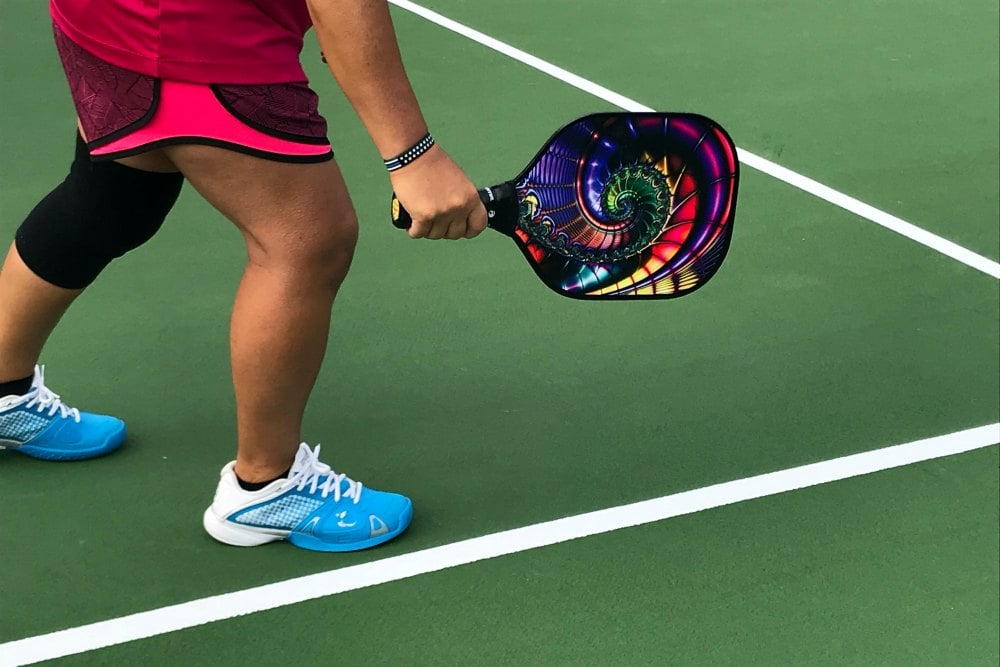
A pickleball fundraiser is an opportunity to bring your community together around a great cause.
With the right planning, clear goals, and strong support from local sponsors and participants, you can create a successful pickleball tournament that raises funds and leaves a lasting impression.
From choosing the right format and organizing logistics to building partnerships and promoting your event, every step plays a role in your success. The key is to stay focused on creating a fun, inclusive experience that encourages people to play, connect, and give.
When you combine thoughtful planning with community spirit, your pickleball tournament fundraiser can become a powerful way to raise money, build relationships, and support a cause that truly matters.
So, gather your team, start planning, and get ready to create an event that brings people together—on and off the court. Ready, set, paddle!


Mo-Fri 9 am to 5 pm Eastern Time
24/7 critical emergency support
All currencies supported